Guides for families starting ABA
We’ve collected our best advice and answers to common questions here, so you can feel informed and empowered.
Getting Started with ABA

ABA Therapy 101
A plain-language guide to what ABA is, how it helps, and dispelling common myths.
Read guide
Is ABA Right for My Child?
Key signs to look for and questions to ask yourself when considering therapy.
Read guide
ABA vs. Other Therapies
How ABA works alongside Speech, OT, and Play Therapy for a holistic approach.
Read guide
ABA Myths & Facts
Clearing up common misconceptions with facts about modern, compassionate ABA.
Read guide
How Our Assessment Process Works
From first contact to your child's first goals: a step-by-step walkthrough.
Read guideHow many hours of ABA does my child need?
A practical overview of how clinicians think about ABA intensity: goals, schedules, and progress monitoring.
Read guide
Your Child’s First 30 Days
What to expect in the first month, from pairing to establishing routines.
Read guide
First Day of ABA: What to Expect
A simple guide to help you and your child prepare for the first session.
Read guide
Talking to Your Child About Therapy
Age-appropriate scripts and ideas for explaining therapy to your child in a positive way.
Read guide
After an Autism Diagnosis: What Now?
First steps, questions to ask, and how ABA may fit—at your pace.
Read guide
Early signs of autism in babies and toddlers
What to look for early, what’s typical, and when to seek an evaluation.
Read guide
The difference between developmental delay and autism
How these overlap, how they differ, and what questions to ask clinicians.
Read guideUnderstanding ADHD vs autism diagnosis
Common overlap, key differences, and how assessments typically work.
Read guide
Preparing for an autism evaluation: what to expect
A step-by-step look at what happens before, during, and after an evaluation.
Read guide
Supporting your child while waiting for an autism diagnosis
Practical supports you can start now while you wait for assessments and services.
Read guide
Questions to ask before starting ABA
A parent-friendly list to clarify goals, fit, and what success should look like.
Read guideChoosing an ABA provider: a parent checklist
How to compare clinics and home providers using practical, high-signal questions.
Read guide
How to read an ABA treatment plan
Understand goals, hours, data collection, and what to ask if something feels unclear.
Read guideABA and Speech Therapy Together
How ABA can support communication goals alongside speech-language therapy.
Read guide
ABA for minimally verbal children: growing communication step by step
Functional phrases, AAC support, and practice across routines to build communication.
Read guide
ABA for nonverbal children: building communication without pressure
Build requesting, choice-making, and AAC/sign supports—without forcing speech.
Read guideABA and Sensory Processing Differences
How sensory needs show up in daily life and how supports can work together.
Read guideMusic Therapy

Music Therapy FAQ
Answers to common questions about music therapy: who it helps, what sessions look like, goals, scheduling, and insurance.
Read guide
Music Therapy for Autistic Children
How music therapy can support communication, social interaction, and regulation—and what to look for in a provider.
Read guide
Using Music at Home With ABA
Simple, practical ways to use songs, rhythm, and routines at home to support goals—without turning it into “therapy time.”
Read guideHome & Family Life
ABA at Home: Routines
Simple strategies to make mornings, bedtimes, and transitions smoother.
Read guide
Visual Schedules & Routines
How to use visuals to reduce anxiety and build independence in daily tasks.
Read guide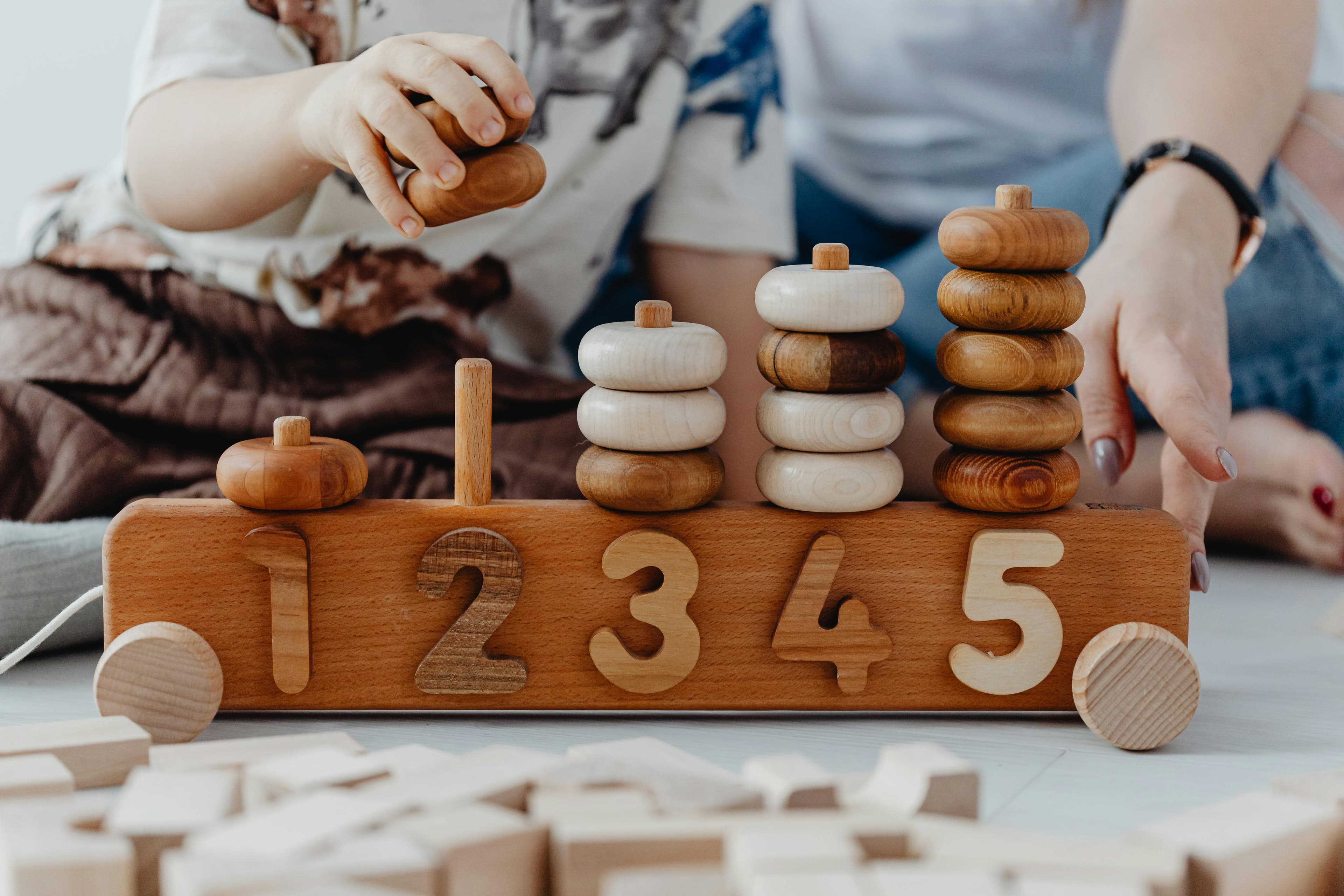
Using social stories to prepare for new experiences
Use simple stories and visuals to reduce anxiety and prepare for new routines.
Read guide
Using token boards and reward systems effectively
Make reinforcement clear and consistent—without bribing or power struggles.
Read guide
Sleep & Bedtime Routines
Strategies for establishing healthy sleep habits and peaceful evenings.
Read guide
Picky Eating & Mealtimes
Approaches for expanding food variety and reducing mealtime stress.
Read guide
ABA for picky eaters: advanced strategies (without power struggles)
A calm feeding plan with tiny steps, reinforcement, and fewer battles.
Read guideHandling Meltdowns Safely
Practical de-escalation steps and understanding the 'why' behind behaviors.
Read guide
Handling public meltdowns with ABA strategies (without shame)
A safety-first plan for outings, recovery, and prevention—without shame.
Read guide
Holidays & Travel
Tips for managing schedule changes, travel, and sensory overwhelm.
Read guide
ABA During Holidays and Family Events
Practical, compassionate strategies for holiday gatherings: predictability, sensory supports, transitions, and communication.
Read guide
Supporting Siblings
Helping brothers and sisters feel included, understood, and supported.
Read guideABA for siblings and family dynamics: helping everyone feel supported
Support siblings, reduce resentment, and build routines that work for everyone.
Read guideSupporting siblings when one child has high needs
Practical ways to protect sibling relationships and meet everyone’s needs.
Read guide
Toilet Training with ABA
Gentle, step-by-step strategies that respect your child’s pace.
Read guide
ABA for toilet regression: what to do when skills backslide
Understand why regression happens and rebuild toileting routines step by step.
Read guide
Community Outings & Safety
Practical ways to build safety and confidence in busy places.
Read guide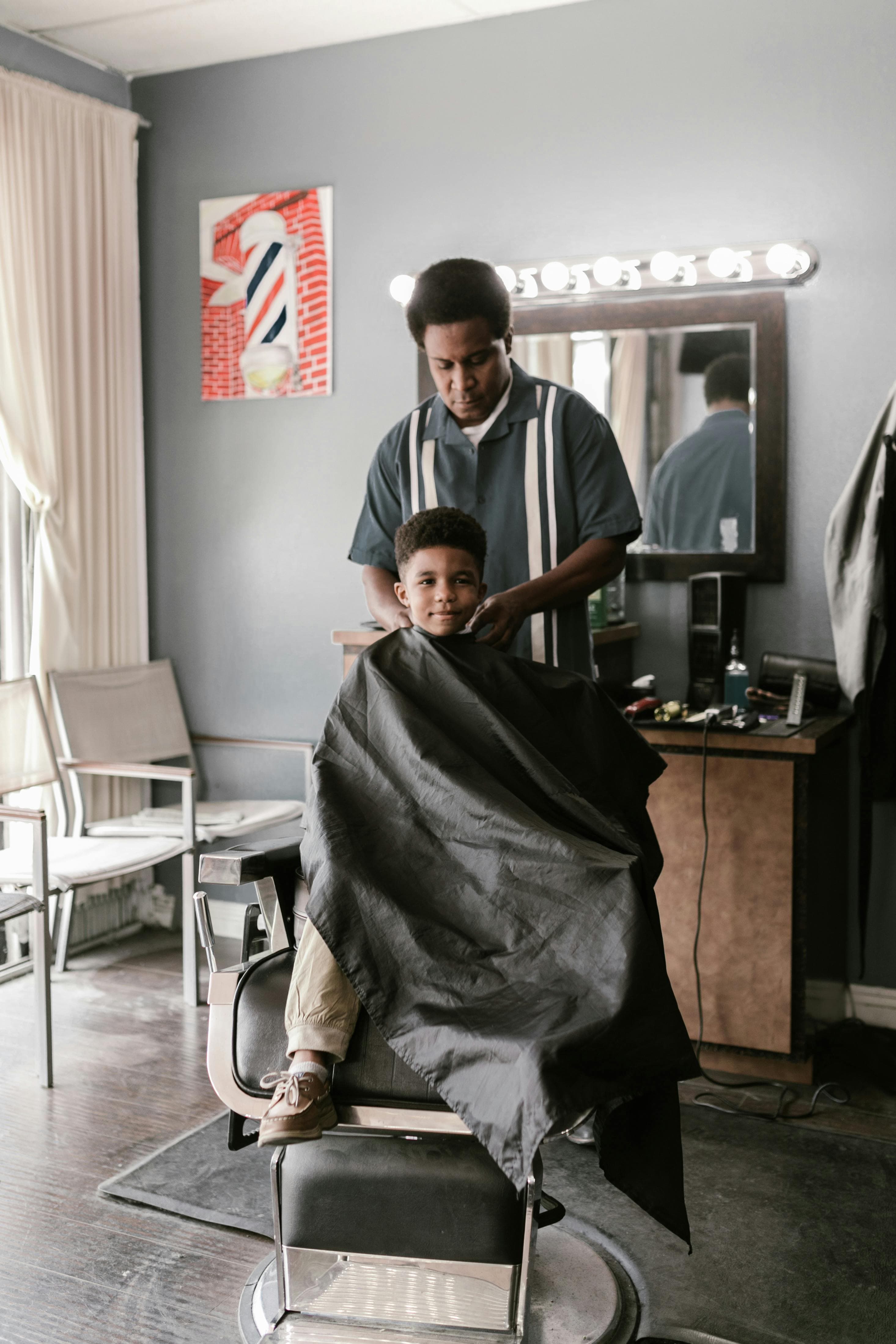
Haircuts, Grooming, and Sensory Care
Small steps for comfort during haircuts, nail care, and bathing.
Read guide
Bedtime routines for autistic children: calmer nights, fewer battles
Practical bedtime structure that reduces conflict and supports better sleep.
Read guideABA for picky eaters in autistic children
Gentle strategies to reduce mealtime stress and expand foods over time.
Read guide
ABA for rigid rituals and routines at home
Support flexibility while keeping your child feeling safe and understood.
Read guide
ABA for tantrums and big feelings in toddlers
Build coping and communication skills while reducing escalation and power struggles.
Read guide
Supporting kids who bite or hit siblings and peers
Safety-first steps, triggers to watch for, and replacement skills to teach.
Read guide
Supporting kids who have difficulty sharing and turn-taking
Practical ways to teach turn-taking and reduce conflict during play.
Read guideSupporting kids who wake up frequently at night
Identify patterns, tighten routines, and build independent sleep skills.
Read guideSupporting kids who co-sleep (and how to transition)
A gradual plan to move toward independent sleep while keeping your child feeling safe.
Read guideToilet training in school and community settings
Support generalization beyond home with a consistent routine and collaboration.
Read guideABA at School
How we collaborate with teachers and support IEP goals in the classroom.
Read guide
IEP Meeting Checklist
A practical checklist to help parents prepare and advocate during IEP meetings.
Read guide
How We Measure Progress
Understanding data collection and goals without the clinical jargon.
Read guide
ABA Glossary
Plain-language definitions for common ABA terms, A–Z.
Read guideHow ABA works with school IEP teams
How to align goals, share data, and support classroom success without confusion.
Read guideSupporting autistic children in general education classrooms
Practical supports for inclusion, transitions, sensory needs, and learning.
Read guide
Preparing for kindergarten with ABA
Build readiness skills and routines that support a smoother school start.
Read guide
ABA for preschool transitions: drop-off, cleanup, and moving between activities
Reduce tears and refusals by teaching predictable transition routines.
Read guideABA for toddlers in daycare: practical strategies that actually fit
Coordinate goals with caregivers and build routines that work in group settings.
Read guideABA strategies for remote learning and screens
Structure screen-based learning with work/break cycles and reinforcement.
Read guideHelping with homework using ABA strategies
Reduce fights, improve follow-through, and build independent study habits.
Read guide
ABA strategies for homework and study skills in teens
Executive-function supports and routines for more independent homework time.
Read guideSupporting executive function for middle and high school
Systems and routines that support planning, organizing, starting, and finishing work.
Read guideTransitioning from elementary to middle school with autism
Plan ahead for schedules, transitions, lockers, and unstructured times.
Read guide
Supporting autistic children who are being bullied
A practical plan for documenting, advocating, and teaching coping and safety skills.
Read guide
Supporting autistic children who are perceived as the bully
Move from labels to data and teach safer replacement skills that protect everyone.
Read guide
ABA for anxiety and rigidity at school
Support coping skills and flexibility so school demands don’t become a daily crisis.
Read guideInsurance & Practical Guides
Out-of-Network Reimbursement
A step-by-step guide to understanding your benefits and submitting claims.
Read guidePreparing for Doctor Visits
Helping your child prepare for medical appointments with social stories and play.
Read guideInsurance terms for ABA, explained (without the jargon)
A parent-friendly breakdown of common terms, timelines, and what they mean for services.
Read guide
Navigating insurance denials for ABA therapy
What to do next, what documents matter, and how appeals typically work.
Read guideUnderstanding appeals and authorizations for ABA
Know what to expect from approvals, re-authorizations, and documentation.
Read guideUsing flexible spending and health savings accounts for ABA
Practical tips for tracking receipts and using pre-tax funds to reduce costs.
Read guideWhat to ask during a clinic tour or intake call
High-signal questions about staffing, goals, safety, scheduling, and fit.
Read guideBehavior & Clinical Topics

ABA for Elopement (Running Off)
Safety-first strategies and replacement skills for kids who bolt.
Read guide
ABA for Head Banging & Self-Injury
A compassionate approach to safety, communication, and replacement skills.
Read guide
ABA for Aggression & Property Damage
Prevention, coping skills, and practical behavior support strategies.
Read guideABA for School Refusal & Separation Anxiety
Tools to make mornings smoother and reduce school-related anxiety.
Read guide
ABA for Kids with Anxiety & Autism
Gentle coping, communication, and flexibility skills for anxious moments.
Read guideSupporting kids who avoid certain places or activities
Reduce avoidance with gradual exposure, coping skills, and predictable practice.
Read guideABA for Kids with ADHD & Autism
Support for attention, routines, impulse control, and daily life skills.
Read guideABA for Toddlers Under 3
Early support focused on play, communication, and parent coaching.
Read guide
ABA for Kids Who Stim Frequently
Support regulation without shame—while addressing safety and participation.
Read guideABA for Rigidity Around Clothing & Textures
A gentle plan to reduce clothing battles and build tolerance.
Read guide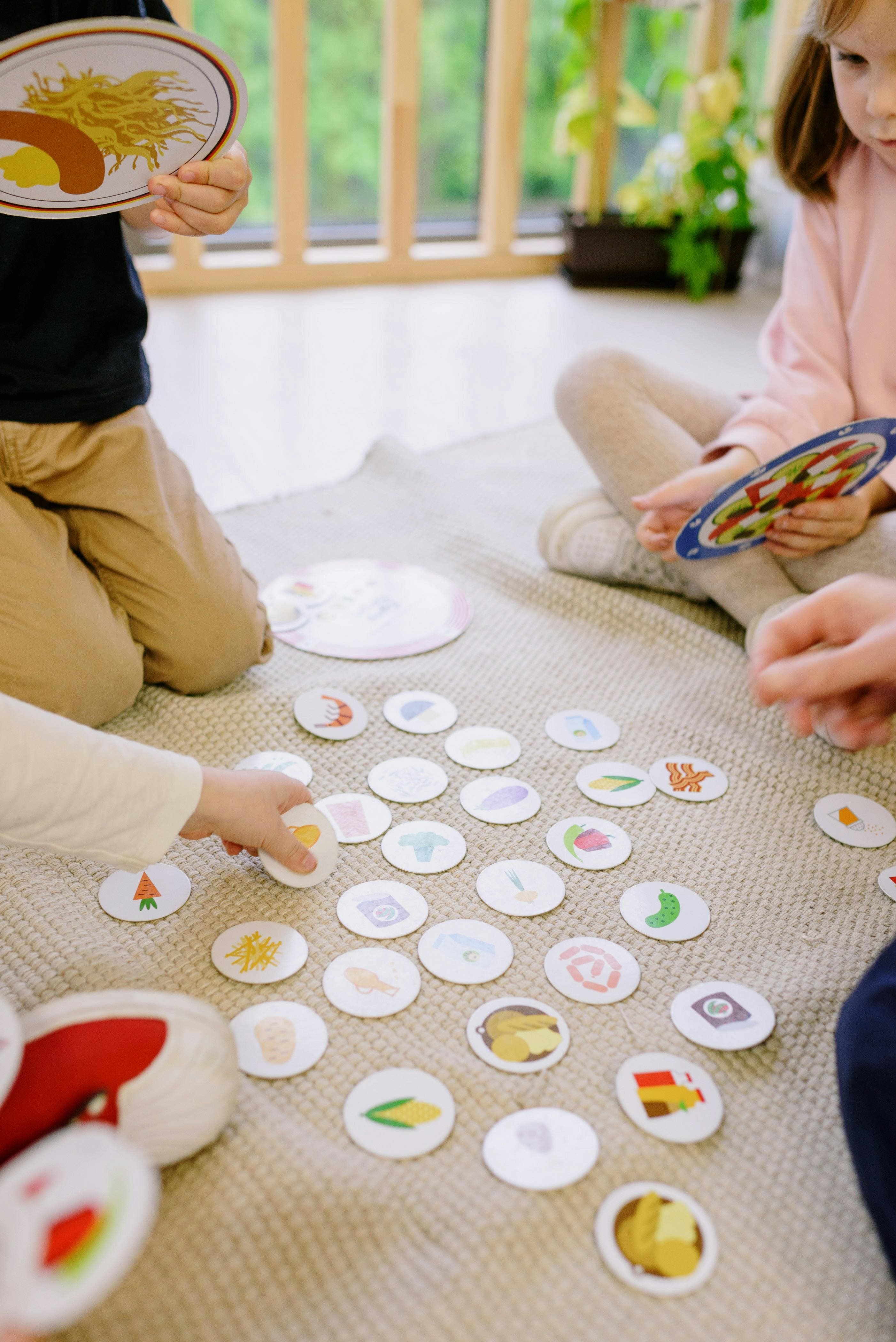
ABA for Autistic Girls & AFAB Children
Affirming support that respects identity, masking, and real-life needs.
Read guide
Understanding Autism in Girls & Women
Signs, masking, and support approaches that reduce burnout.
Read guideHome Setup & Environment

Preparing Your Home for In-Home ABA
A simple setup checklist to make sessions smoother.
Read guideOrganizing your home for ABA home programs
Create simple spaces, materials, and routines that make in-home sessions smoother.
Read guideCreating a Calm-Down Corner at Home
What to include and how to teach break skills in a supportive way.
Read guideCreating visual supports at home (step-by-step)
Make visuals that work for your family—first/then, choice boards, and schedules.
Read guideBuilding a Sensory-Friendly Home
Small changes that can reduce overload and support regulation.
Read guideDaily Routines
Morning Routines Before School
ABA strategies that reduce stress and improve follow-through.
Read guide
After-School & Evening Routines
Decompress, connect, and reset with a predictable routine.
Read guide
Weekends & School Breaks
Flexible structure ideas that support regulation without over-scheduling.
Read guideSocial Events & Outings

Birthdays & Holiday Parties
Prep, pacing, and exit plans for busy social events.
Read guide
Planning successful birthday parties for autistic children
Prep, pacing, and sensory supports for a calmer celebration.
Read guideCar Rides & Transportation
Smoother trips and safer transitions with clear routines.
Read guide
Traveling by plane or long car rides with autistic children
Plan ahead for transitions, waiting, and sensory needs on longer trips.
Read guideStore Trips & Errands
Reduce overwhelm and build outing skills step by step.
Read guideSupporting kids with no danger awareness around streets and cars
Teach stop/wait, walking routines, and safer street skills with practice.
Read guideSupporting autistic children in community recreational programs
Support participation in sports, classes, and groups with clear routines and communication.
Read guide
Supporting autistic children in music and art classes
Practical supports for sensory needs, group directions, and engagement.
Read guideSupporting autistic children in summer camp settings
Help staff support your child with routines, visuals, and regulation plans.
Read guidePlaydates & Peer Play
Set up social time for better success and less stress.
Read guideBuilding early social skills at the playground
Teach greetings, turn-taking, and joining play in small, doable steps.
Read guide
Helping your child make and keep friends
Build the core skills that help friendships grow over time.
Read guideSelf-Care & Independence

Tolerating New Foods with ABA
A gentle step-by-step approach for expanding food tolerance.
Read guideNew Clothes & Shoes
Reduce sensory battles with gradual tolerance strategies.
Read guide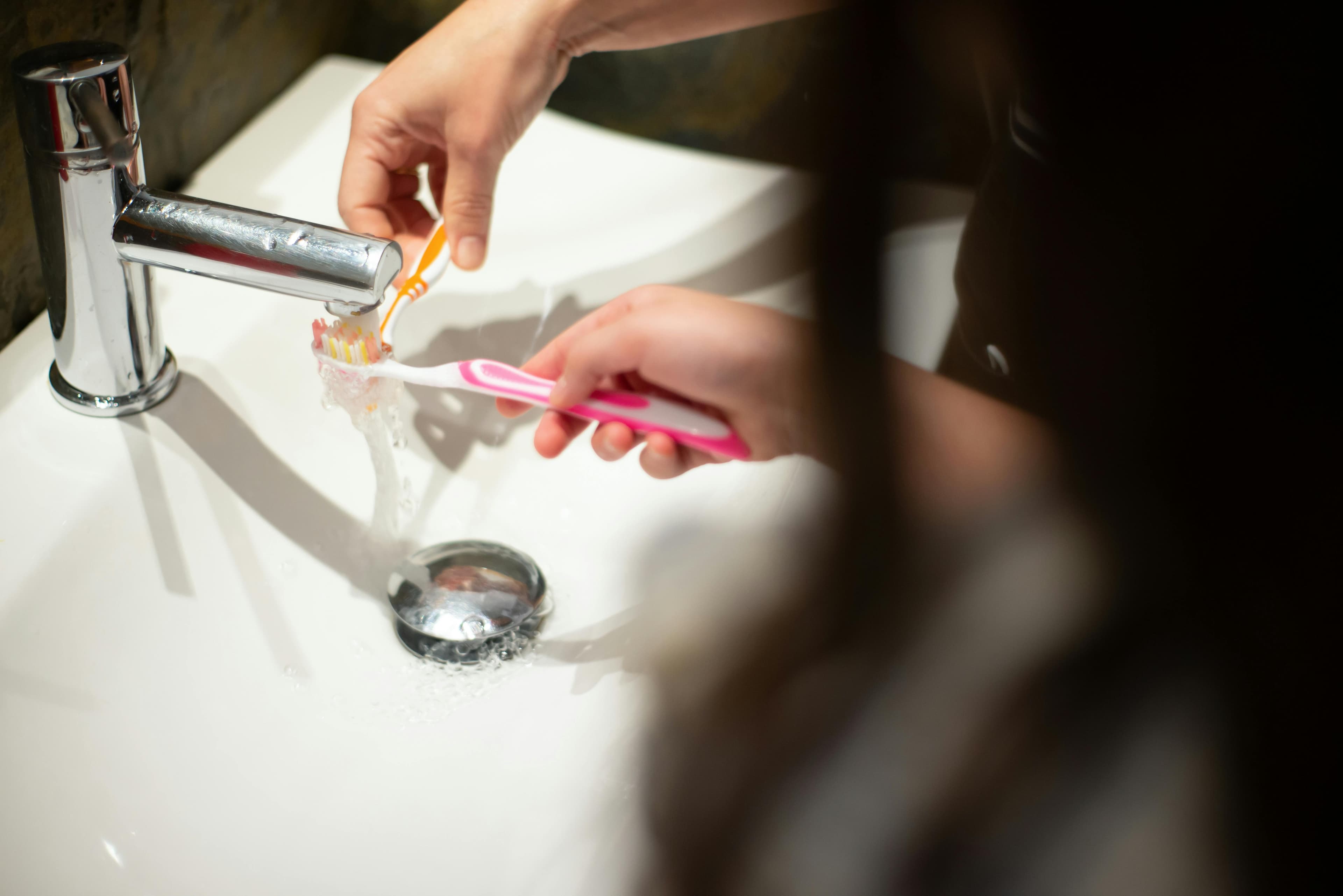
Brushing Teeth & Bath Time
Task breakdowns and supports for hygiene routines.
Read guide
Independent Play
Build confidence and engagement with small, teachable steps.
Read guideJoining Family Meals
ABA strategies for calmer mealtimes and participation.
Read guideAccepting Changes in Routine
Build flexibility with planned practice and coping skills.
Read guideFamily Changes & Caregiver Support
Preparing for a New Sibling
ABA strategies to reduce stress and build coping skills.
Read guidePreparing for a Move or New Home
Preview, practice, and predictable anchors during major changes.
Read guideTransitions Between Homes & Caregivers
Bridge routines and alignment across settings.
Read guide
Co-parenting and consistency across two homes
Align routines, expectations, and reinforcement across households.
Read guide
Working with babysitters and respite providers
How to set providers up for success with simple plans, visuals, and safety steps.
Read guide
Working with Grandparents & Extended Family
How to align family members on routines and ABA strategies.
Read guideSupporting grandparents to understand ABA and autism
A practical way to explain ABA and autism so extended family can support you.
Read guideSupporting mental health for parents of autistic children
Reduce burnout and build support routines that protect your wellbeing.
Read guideBCBA Collaboration & School Advocacy

Questions to Ask Your BCBA Each Month
A monthly checklist for goals, data, and next steps.
Read guideABA Supervision Visits (Parent Guide)
What to expect from BCBA supervision and how to prepare.
Read guideAdvocating in IEP Meetings
Practical steps to prepare, ask for supports, and advocate effectively.
Read guide
School Breaks & Summer
Structure without burnout—keep routines and skills steady.
Read guidePlanning for school breaks when services change
A plan for maintaining routines and goals when schedules shift.
Read guideOlder Kids & Teens

Executive Function & Organization
Practical routines for planning, starting tasks, and follow-through.
Read guideSocial Anxiety & Shyness
Build confidence without forcing—and support real-life coping.
Read guideSupporting autistic teens with dating and boundaries
Teach consent, privacy, and safer relationship skills with concrete supports.
Read guideFlexible Thinking & Problem-Solving
Skills that reduce rigidity and improve recovery from changes.
Read guideIndependent Living Skills in Teens
Build real-life independence with respectful, practical teaching.
Read guideBuilding independent living skills before adulthood
Build daily living routines gradually so adulthood is less overwhelming.
Read guideCommunity Safety & Wandering
Safety-first skills for older kids and teens in the real world.
Read guide
Vocational & Pre-Work Skills
Prepare teens for work routines, communication, and job readiness.
Read guideTransitioning from high school to adulthood with autism
Plan skills, services, and supports for adulthood well before graduation.
Read guideSupporting autistic young adults starting college or work
Support routines, self-advocacy, and independence in new environments.
Read guide
Screen Time Balance
Reduce battles and build flexibility around technology.
Read guideSupporting autistic teens with online safety and social media
Practical digital safety skills, boundaries, and coaching for teens.
Read guideSpecial Topics
Autism and Sports
How to choose activities and supports that set your child up for success.
Read guideReligious Holidays (Practical Tips)
Routines, sensory supports, and planning for meaningful participation.
Read guideSupporting autistic children in synagogue, church, or mosque
Support participation with visuals, sensory planning, and communication supports.
Read guideAutistic Girls and Late Diagnosis
What parents often notice and what supportive next steps can look like.
Read guideMasking & Camouflaging
What it looks like, why it happens, and how to reduce burnout.
Read guideProgress, Data & Long-Term Planning
How to Know if ABA Is Working
Signs of progress, what to ask, and red flags to watch for.
Read guide
When Progress Slows Down
What to review, what to adjust, and how to get moving again.
Read guideReading ABA Data & Graphs
A parent-friendly guide to common measures and charts.
Read guidePlanning a gradual step-down from ABA services
How to fade hours thoughtfully, maintain gains, and plan next supports.
Read guideEnding ABA & Transitioning Supports
How to fade services thoughtfully and plan for what’s next.
Read guideStill have questions?
Reading guides is great, but sometimes you just need to talk to a human. We're here to help.
Talk to our team