Guide
Helping your child make and keep friends
Start with the right "friend context"
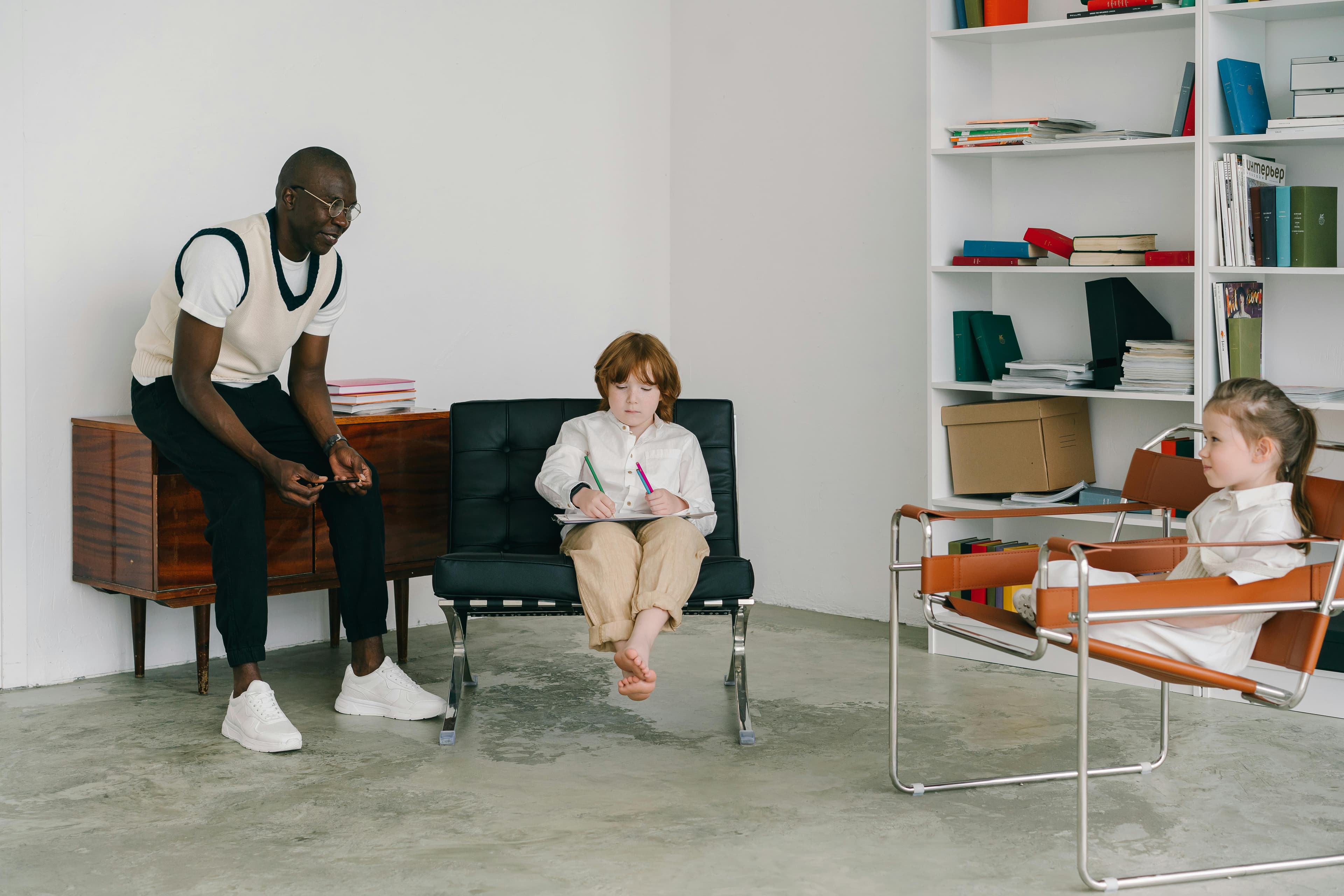
Friendships usually form around repeated, predictable contact. Clubs, small groups, recurring playground visits, or a structured activity can work better than big unstructured social events.
Teach the building blocks (one at a time)
- Greeting: wave, “hi,” using a peer’s name.
- Inviting: “Want to play?” “Do you want a turn?”
- Staying in the game: flexible thinking, short waiting, handling mistakes.
- Repairing: “Sorry,” “Can I try again?” “What should we do now?”
Use interests as a bridge (without making it the only topic)
Shared interests help kids connect. You can practice a “two-way” rule: your child talks about their interest, then asks one question or makes one comment about the other person. This keeps interactions balanced.
Practice playdates like short lessons
Start with 30–60 minutes and one planned activity (a simple craft, Lego build, or a short board game). End the playdate on a good moment, not when everyone is exhausted.
How ABA supports social goals
ABA can break down social goals into teachable steps and build real-life practice with reinforcement. The best plans focus on skills that make relationships easier: communication, flexibility, coping with disappointment, and repair after mistakes.