Guide
Supporting siblings and the whole family
What siblings often feel
Siblings of children with autism or other needs have a unique experience. They might feel protective and loving, but also confused, jealous of the attention their sibling gets, or worried about the future. All of these feelings are normal and valid.
Age-appropriate ways to explain autism / therapy
For younger kids, you can explain it simply: "Your brother's brain works a little differently, so he learns in a different way." For older kids, you can have more open conversations about neurodiversity and specific challenges their sibling faces.
Small ways to include siblings in the process
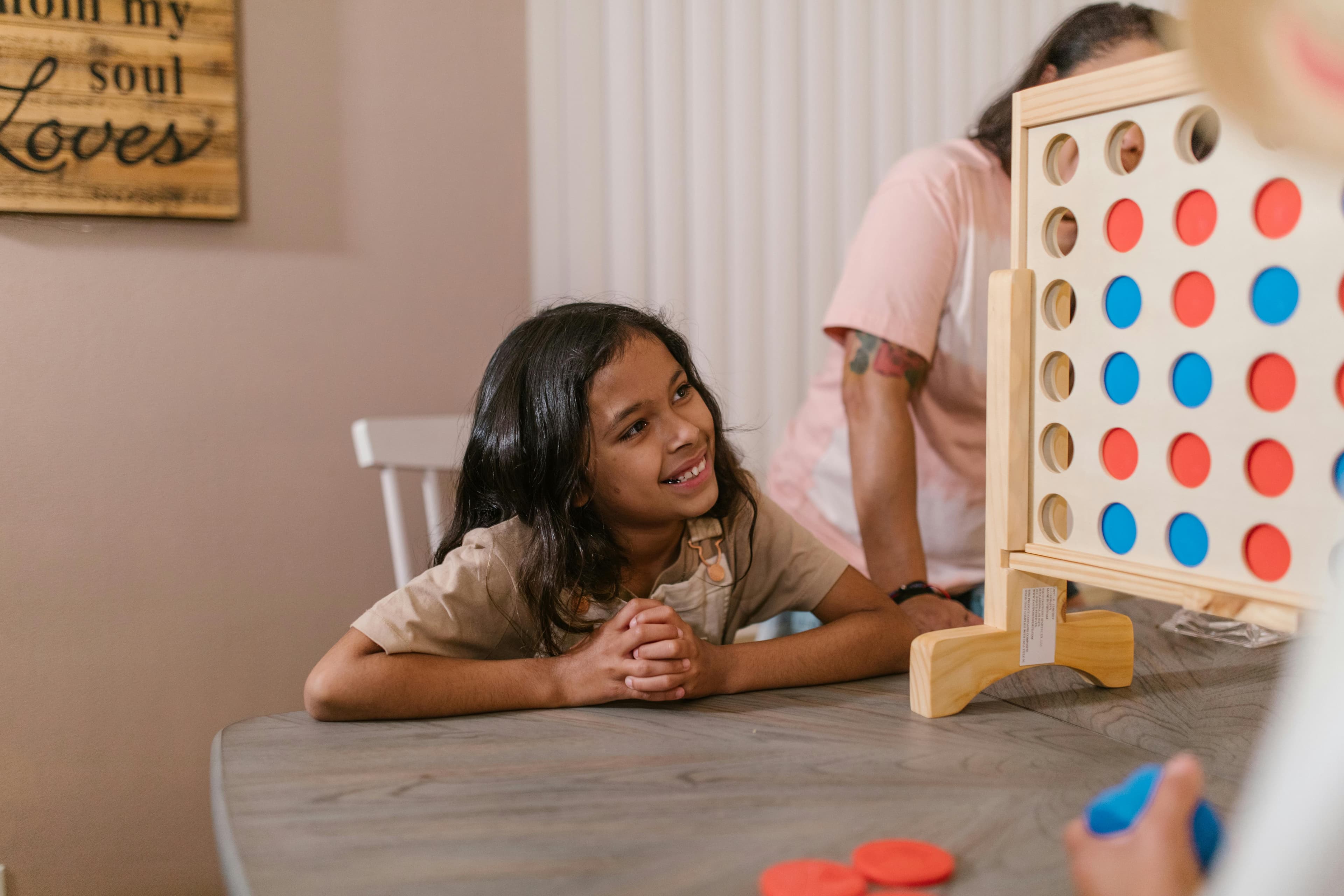
Siblings can be great helpers! If they are interested, invite them to join a therapy session to play a game or help with a snack. This can demystify what happens during "therapy time" and help them bond.
Ideas for one-on-one time with each child
It's crucial to carve out special time just for siblings where the focus is 100% on them. It doesn't have to be big—a 15-minute walk, reading a book together, or a quick trip to get ice cream can make them feel seen and valued.
When to ask for extra support
If a sibling seems consistently withdrawn, anxious, or acting out, they might need their own space to talk. Sibling support groups or family counseling can provide a safe outlet for them to process their feelings.