Guide
ABA for independent living skills in teens: building real-life independence
Teen years are a great time to build practical independence skills: hygiene, chores, cooking basics, time management, transportation routines, and community safety. ABA can support teens by teaching skills in the actual environments where they’re needed, using respectful prompts and goals that align with the teen’s preferences.
Skills many families target in teen ABA
- Self-care: shower routines, deodorant, laundry, period hygiene support (when appropriate).
- Home skills: cleaning, dishes, room organization, simple cooking.
- Time management: using schedules, timers, and planning tools.
- Community skills: ordering food, checking out at stores, asking for help.
- Safety: boundaries, consent, and safe decision-making.
How ABA teaches independence respectfully
A good plan uses collaboration: the teen’s goals matter. Skills are broken into steps, prompts fade over time, and reinforcement is age-appropriate and meaningful.
Strategies that often help
- Task analysis: turning complex routines into clear steps.
- Visual supports: checklists, phone reminders, and simple schedules.
- Practice in real contexts: cooking in your kitchen, shopping in your store.
- Generalization: using the skill across different days, people, and settings.
What progress can look like
Progress might mean your teen completing a hygiene checklist independently, preparing a simple snack, following a schedule with fewer reminders, or using self-advocacy skills in the community.
Related guides
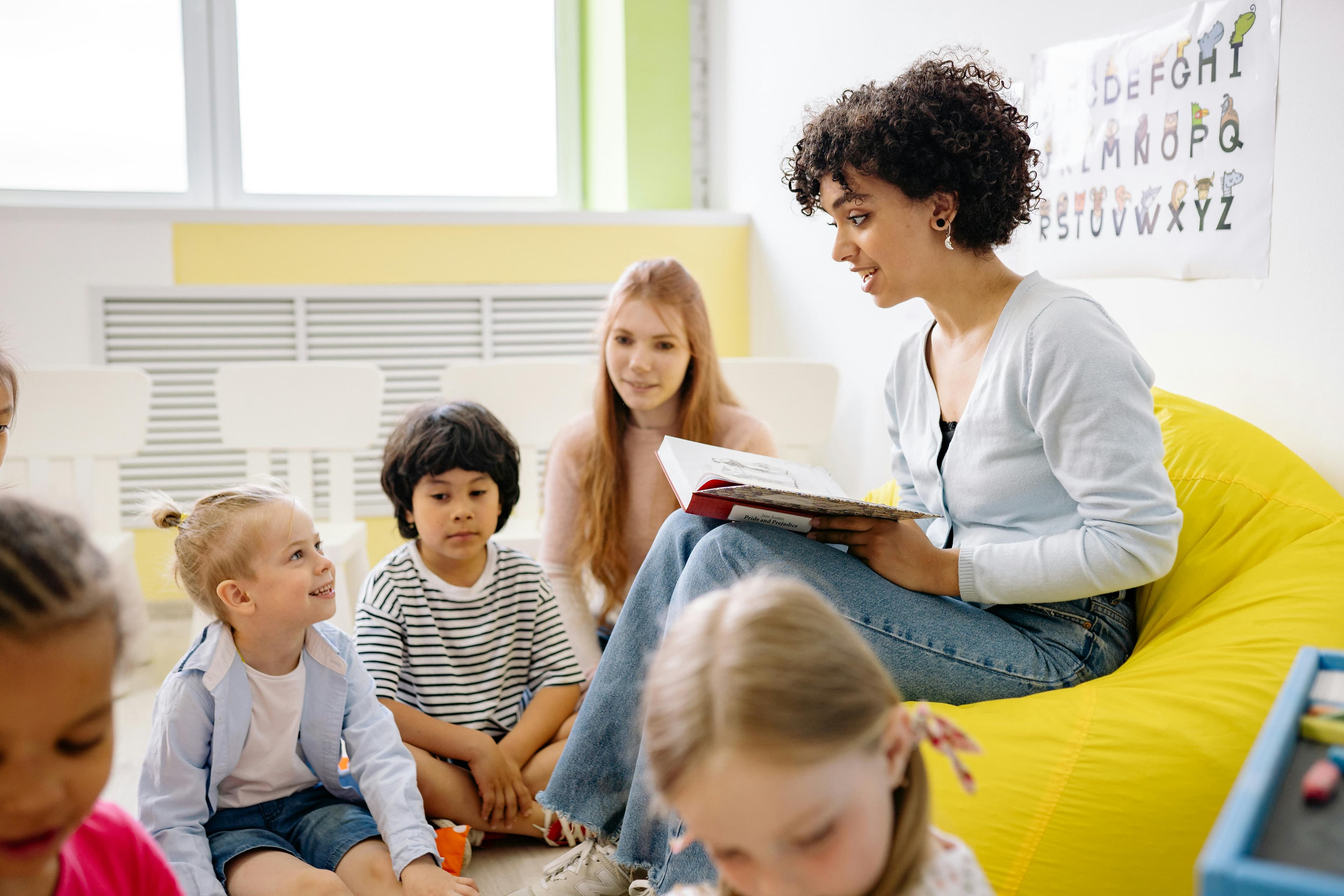
ABA for Executive Function and Organization
Tools for checklists, time management, and follow-through.
Read guide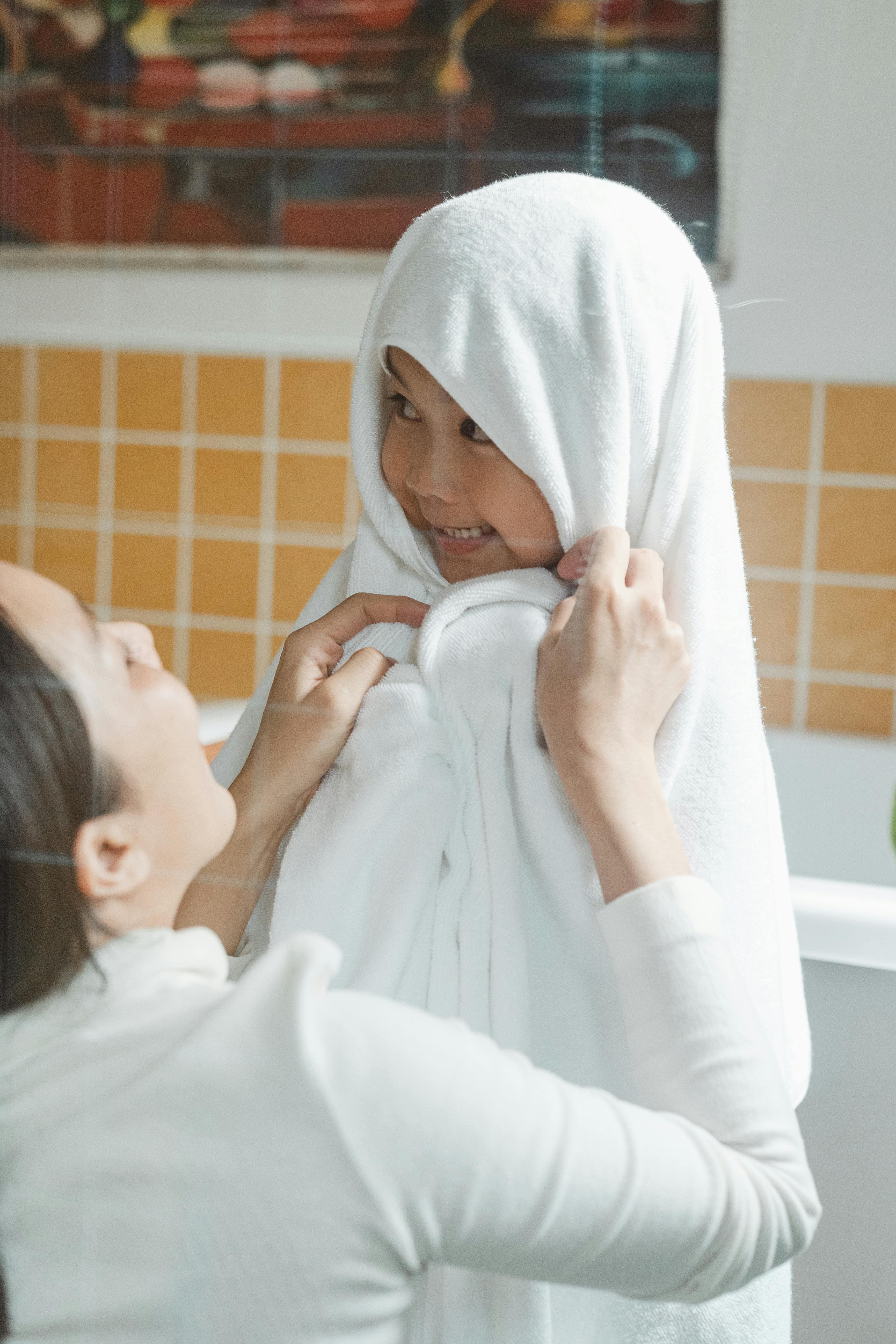
ABA for Community Safety and Wandering
Safety-first skills for teens and older kids in real-world settings.
Read guide
ABA at Home Routines
A predictable routine backbone that supports independence goals.
Read guide