Guide
ABA at home: routines that make days easier
Why predictable routines help kids regulate
For many children, the world can feel chaotic and unpredictable. Consistent routines provide a sense of safety and structure, reducing anxiety and helping children know exactly what to expect next.
Ideas for morning routines
Mornings set the tone for the day. Visual schedules (pictures of brushing teeth, getting dressed, eating breakfast) can be incredibly helpful. Using a "first/then" approach (e.g., "First shoes, then tablet") can also smooth out transitions.
Ideas for after-school / homework routines
After school, kids often need a "decompression" period before diving into more work. A routine might look like: shoes off, snack and 15 minutes of free play, then 20 minutes of homework or structured activity.
Ideas for bedtime routines
A calming wind-down sequence is key. Dimming lights, engaging in quiet activities like reading or puzzles, and keeping the steps consistent (bath, pajamas, teeth, story) signals to the body that it's time to sleep.
How to stay flexible on hard days without guilt
No routine is perfect. On hard days, it's okay to shorten the list or choose your battles. If a meltdown happens, prioritizing connection and safety is more important than ticking every box on the schedule.
When to ask your therapist for more individualized support
If a specific time of day is consistently stressful (like getting into the car or brushing teeth), let us know! We can break that task down into smaller steps and work on it during therapy sessions.
Related guides
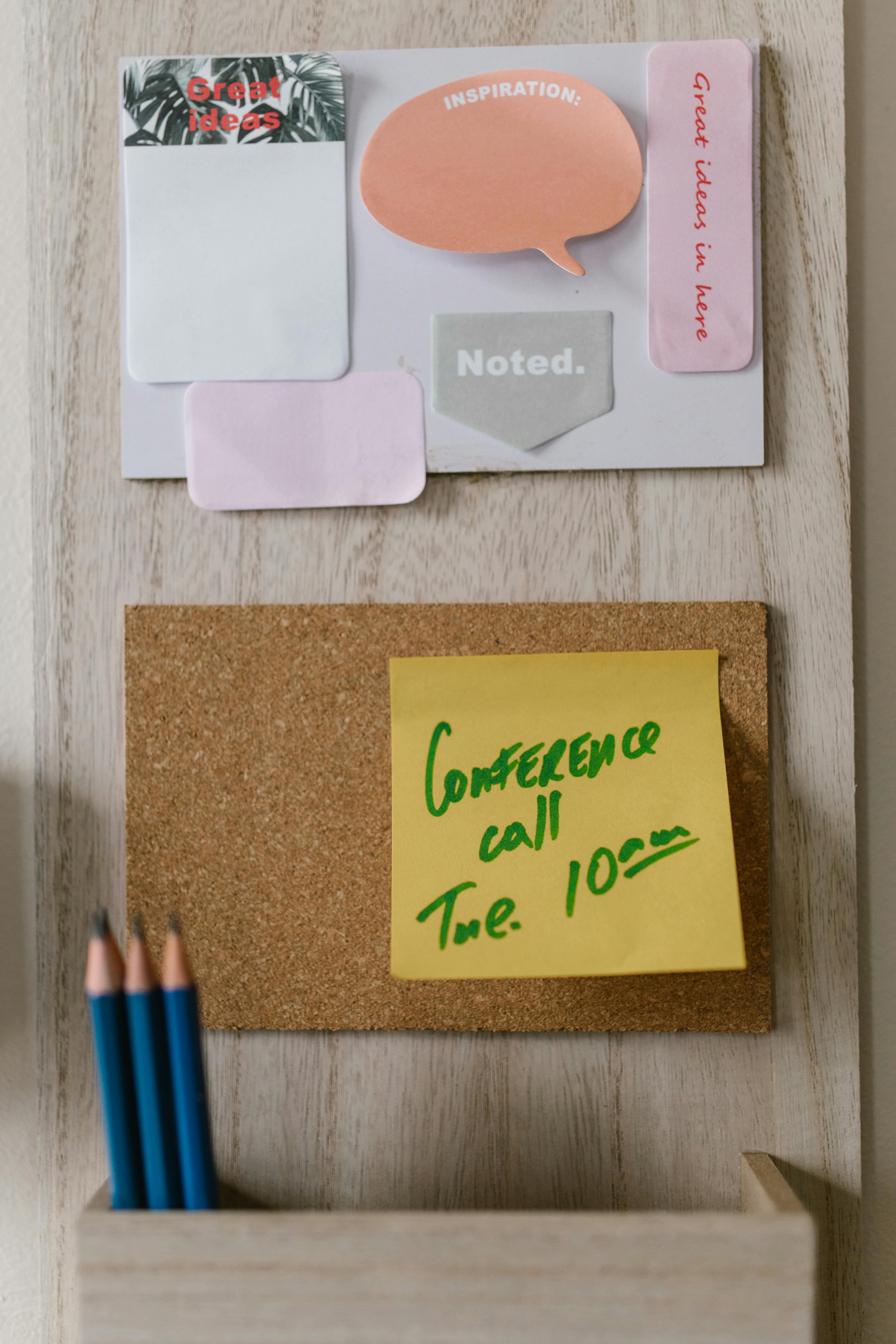
Visual Schedules & Routines
Use visuals to reduce anxiety and build independence in daily tasks.
Read guide
Sleep & Bedtime Routines
Strategies for establishing healthy sleep habits and peaceful evenings.
Read guide
Talking to Your Child About Therapy
Age-appropriate scripts and ideas for positive conversations.
Read guide