Guide
Supporting autistic children in general education classrooms
Inclusion works best with clear supports
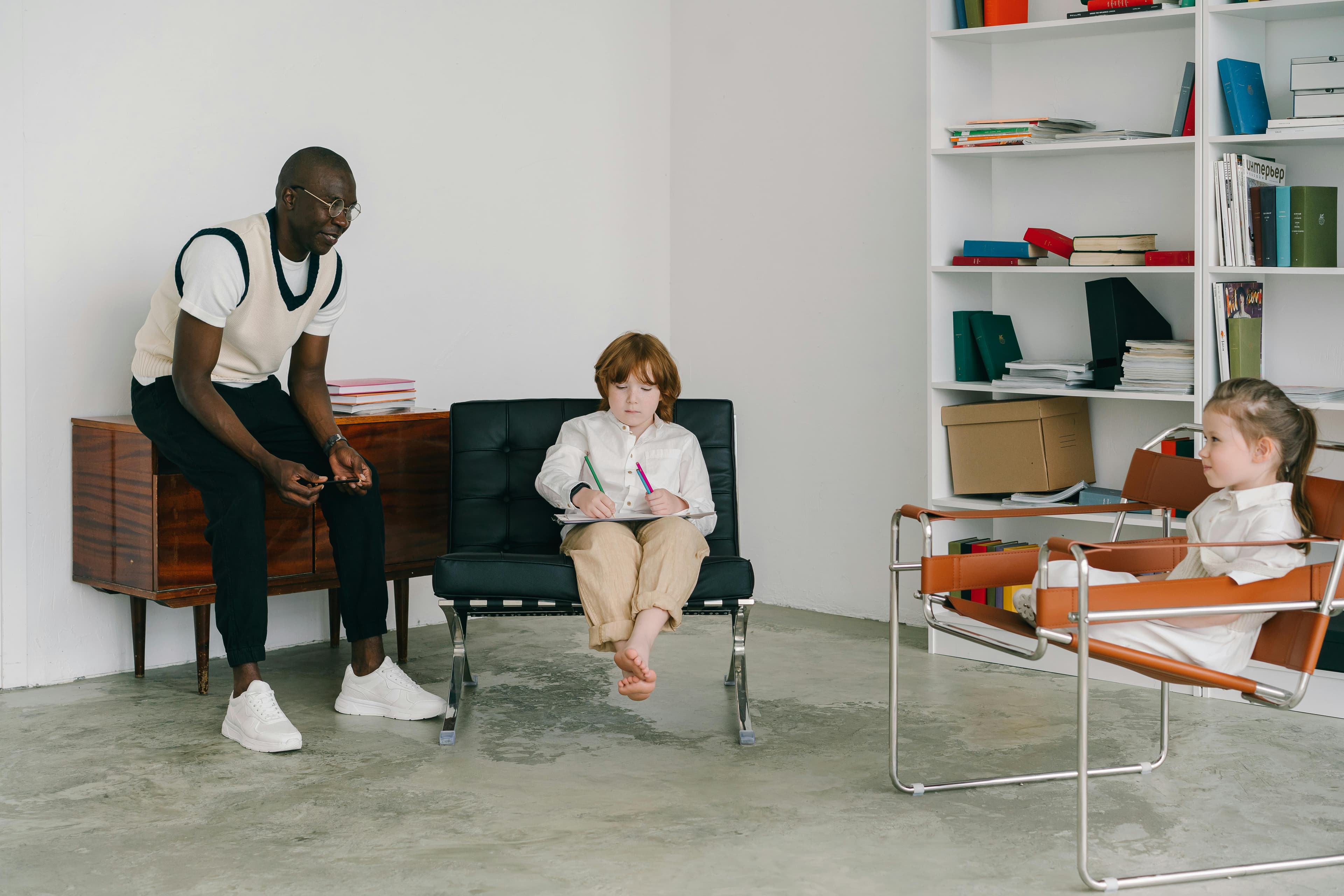
Many autistic students do well in general education when expectations are clear, sensory needs are considered, and adults respond consistently. The goal is access to learning and peers—not masking or forcing compliance.
Common classroom pain points
- Transitions: switching subjects, lining up, assemblies, or sudden schedule changes.
- Group work: turn-taking, flexible thinking, and unclear social rules.
- Executive function: starting tasks, organizing materials, and finishing work.
- Sensory load: noise, lights, crowded spaces, and constant movement.
Supports that often help (simple and practical)
Visual schedules, first/then language, checklists, reduced language during escalation, and predictable reinforcement can improve participation quickly. Many students benefit from a planned break option, seating adjustments, and previewing changes.
IEP/504: what to ask for
Ask for supports that match the actual problem: clear transition supports, a break plan, visual directions, chunked assignments, sensory tools, and adult coaching for social problem-solving. Goals should be measurable and tied to daily classroom routines.
How ABA can support school success
ABA can build the skills that make school easier—asking for help, coping with mistakes, tolerating change, and completing tasks. The best outcomes happen when goals are coordinated with teachers so the child practices in real contexts.