Guide
ABA strategies for playdates and peer play: making social time smoother
Playdates can be stressful for kids and parents—especially when social rules are confusing, turn-taking is hard, or sensory input is high. ABA can help by teaching social skills in real moments and setting up playdates so success is more likely.
Start with the right kind of playdate
- Keep it short: 30–60 minutes is often enough to start.
- Choose a good match: one kind peer is usually better than a group.
- Pick a predictable location: home or a quiet park before busy venues.
- Use a structured activity: LEGO, art, a simple game, or a planned obstacle course.
Teach a simple “playdate routine”
Many kids do better when the playdate has a clear sequence: hello → activity 1 → snack/break → activity 2 → goodbye. A visual schedule or simple checklist can reduce negotiation and anxiety.
ABA skills to practice (in small steps)
- Greetings: wave, say hi, or use a short script that feels natural.
- Turn-taking: short turns with adult support and lots of reinforcement.
- Sharing space: staying near a peer without grabbing or fleeing.
- Requesting: “Can I have a turn?” “Help please.” “Break.”
- Flexibility: tolerating small changes (different game, different rules, waiting).
Prevent common playdate problems
- Plan breaks: a quiet spot or calm-down option before escalation.
- Keep choices limited: two activities, not an open-ended playroom.
- Reinforce effort: reward trying, not perfect “social behavior.”
- End on a win: it’s okay to leave early if things are going downhill.
What progress can look like
Progress may be a child staying for 20 minutes calmly, taking one turn, using a break request, or recovering faster after conflict.
Related guides
ABA Therapy 101
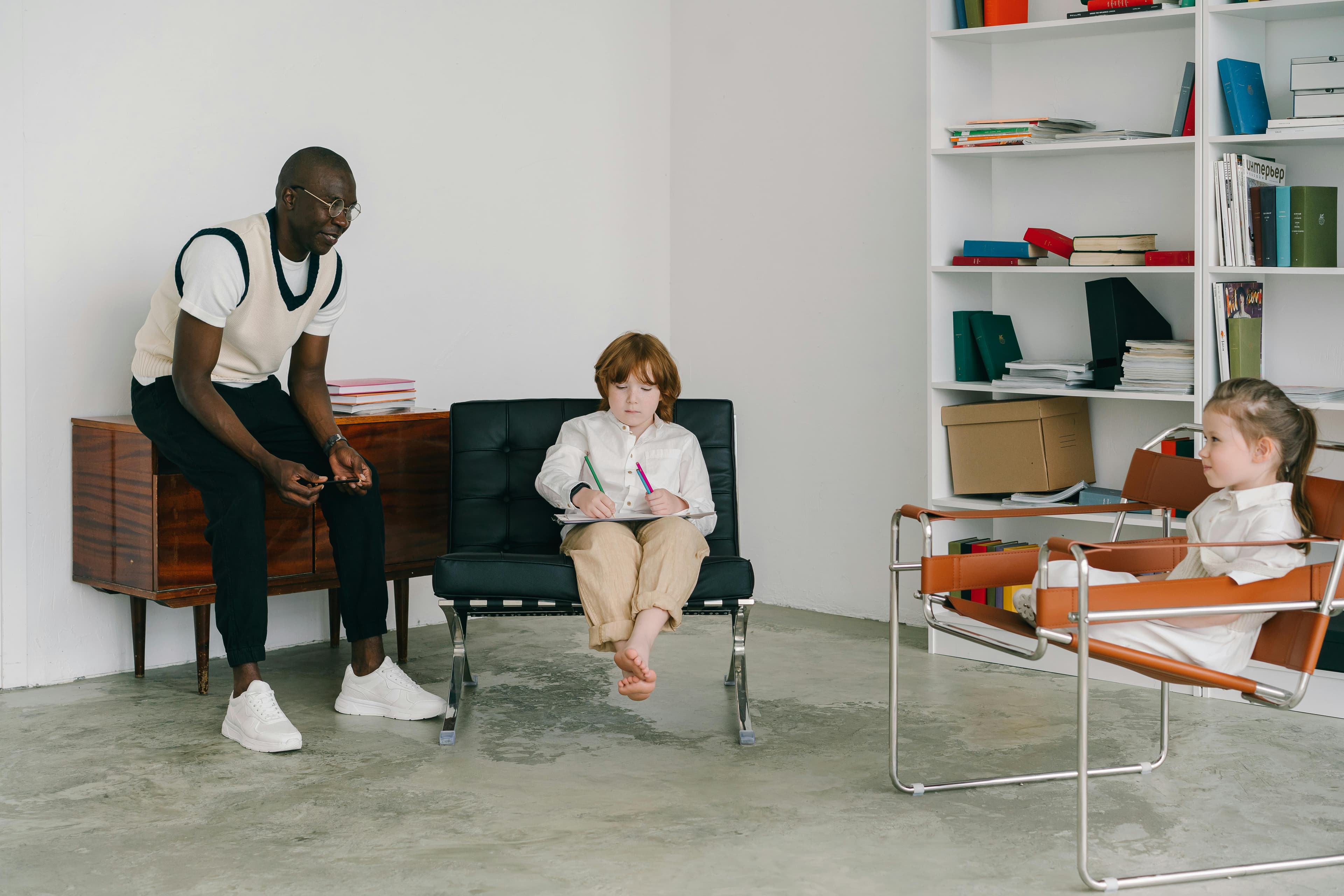
How ABA teaches social and communication skills through practice and reinforcement.
Read guide
Handling Meltdowns
De-escalation strategies for social situations that get overwhelming.
Read guide
ABA at Home Routines
Predictable routines that support flexibility and transitions.
Read guide