Back to Resources
Guide
Supporting autistic children in community recreational programs
The goal is participation—not “perfect behavior”
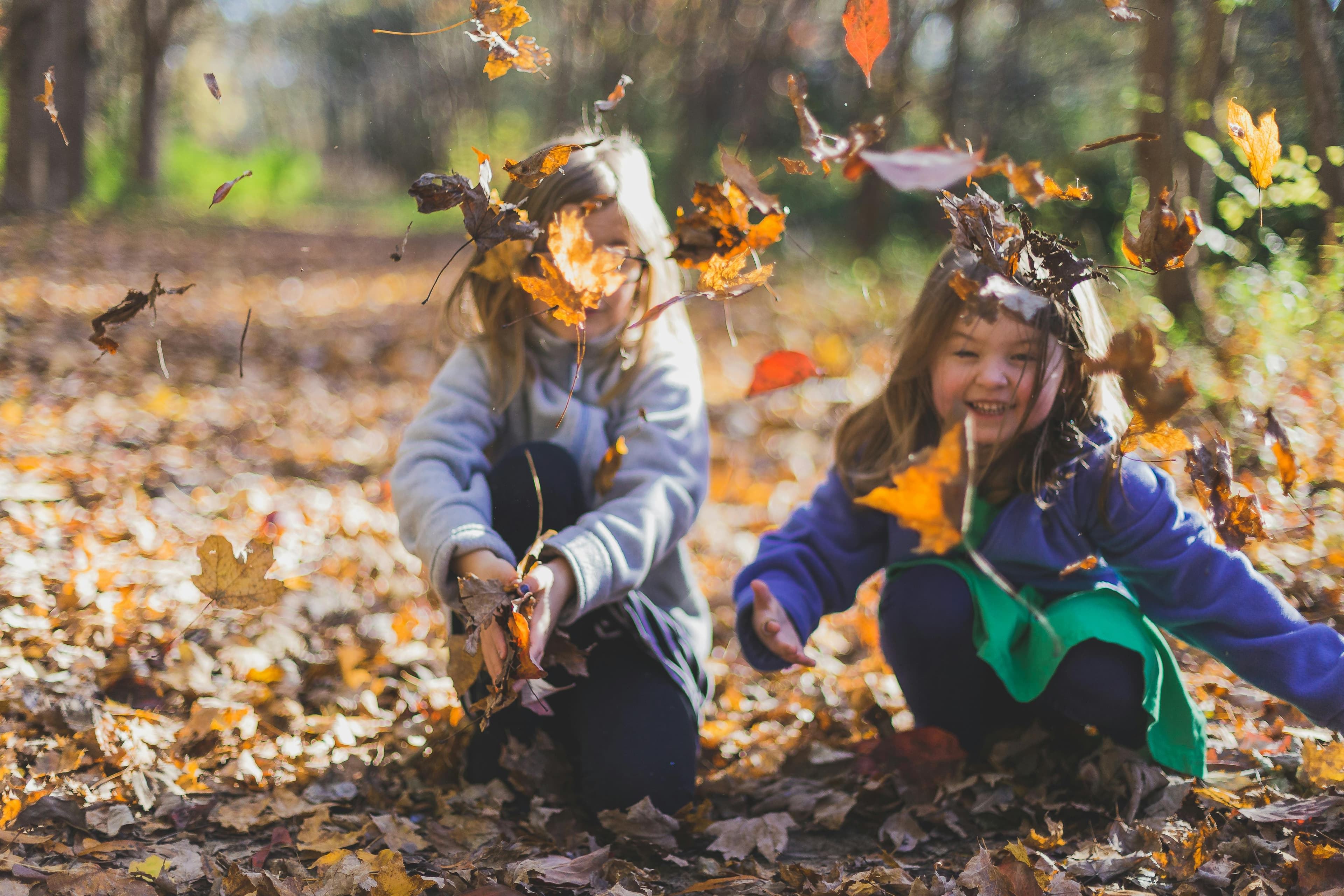
Community programs (YMCA classes, sports leagues, library programs, scouts, rec centers) can be a great way to build social skills and independence. Many autistic kids can do well with a simple support plan that focuses on predictability, communication, and regulation.
Common barriers (and what they look like)
- Unclear rules: child appears “noncompliant” or wanders.
- Transitions: difficulty joining, stopping, or switching activities.
- Sensory load: noise/crowds lead to shutdowns or meltdowns.
- Social mismatch: trouble waiting, sharing equipment, or taking turns.
Support plan that helps fast
- Preview the routine: where you go, what happens first/next/last.
- Bring a visual: first/then card or mini schedule in your bag.
- Choose a break option: a calm corner, water break, or short walk.
- Reinforce brave attempts: reward trying, not just “getting it right.”
How to talk to coaches/instructors
Keep it short and practical: what your child does well, what triggers are likely, and what helps (clear instructions, warnings before transitions, a planned break). Many staff want to help—they just need a clear plan.
How ABA can support community participation
ABA can help teach the specific skills that make programs easier—waiting, joining, coping with losing, asking for help, and tolerating transitions—then generalize those skills in real community settings.